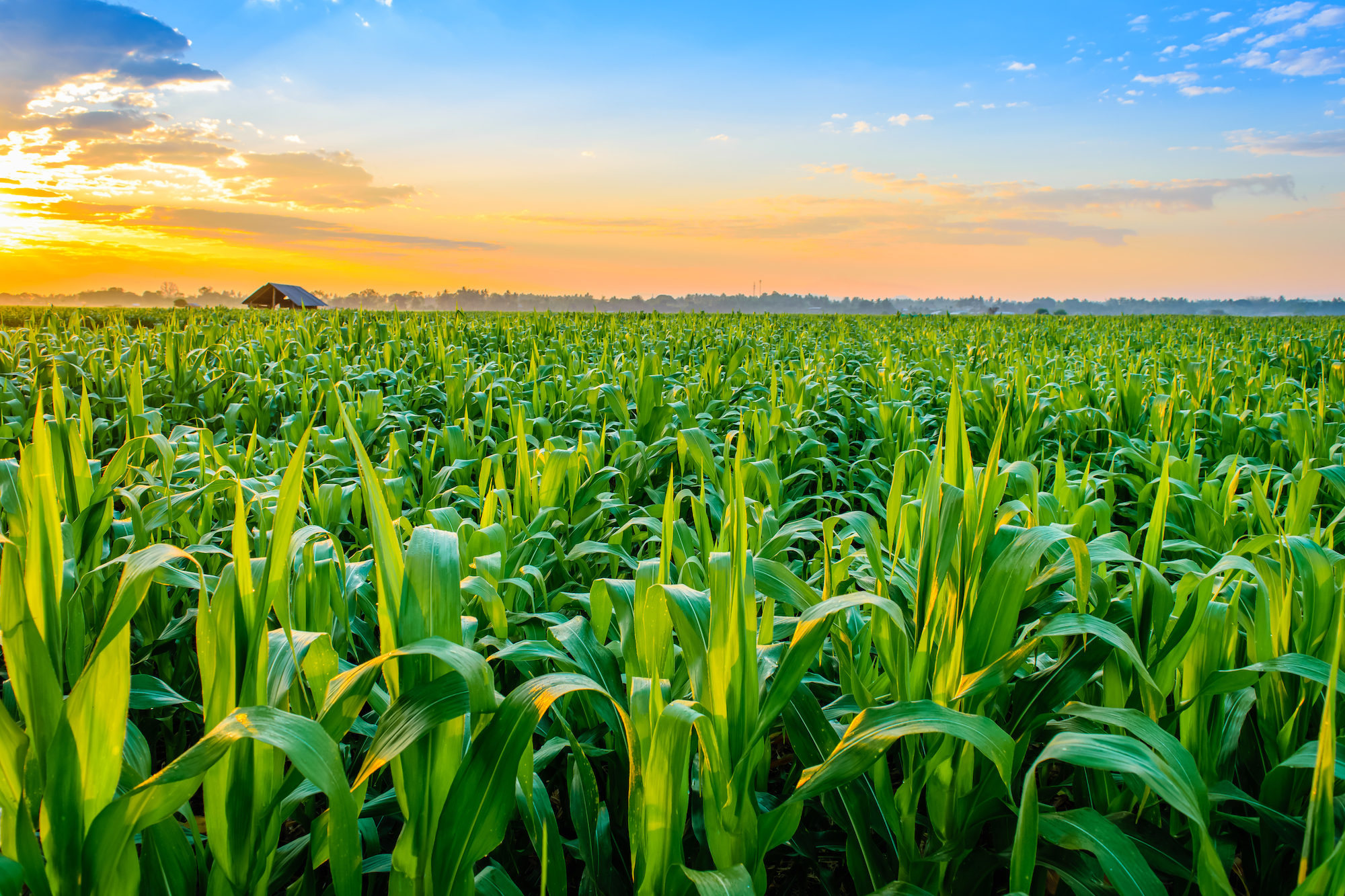
🌾 Crops: Types, Importance, and Cultivation Practices
🌱 Introduction
Crops are plants cultivated by humans for food, fodder, fiber, fuel, and various industrial purposes. Agriculture forms the backbone of every nation’s economy, and crops are the main source of livelihood for millions of farmers across the world. The type of crop grown in a region depends on soil, rainfall, temperature, and climatic conditions.
📘 Definition
A crop is a plant or group of plants grown and harvested extensively for profit or subsistence. Crops are grown seasonally and classified based on the time of sowing and harvesting.
🌦️ Classification of Crops in India
In India, crops are mainly classified based on the season in which they are grown:
- Kharif Crops: Sown in the rainy season (June–October). Example: Rice, Maize, Cotton, Millet, Soybean.
- Rabi Crops: Sown in winter (October–March). Example: Wheat, Barley, Gram, Mustard, Pea.
- Zaid Crops: Grown between Rabi and Kharif seasons (March–June). Example: Watermelon, Cucumber, Muskmelon, Bitter Gourd.
🌾 Major Types of Crops
1. Food Crops
These are grown for human consumption and form the staple diet of people. Examples: Rice, Wheat, Maize, Millets, Pulses.
2. Cash Crops
These are grown for commercial purposes and export. Examples: Sugarcane, Cotton, Jute, Tobacco, Coffee, Tea.
3. Plantation Crops
These crops are grown on large estates for commercial use. Examples: Tea, Coffee, Rubber, Coconut, Cocoa.
4. Horticultural Crops
Includes fruits, vegetables, and flowers. Examples: Mango, Banana, Tomato, Potato, Rose, Jasmine.
5. Fodder Crops
Grown for feeding livestock. Examples: Berseem, Lucerne, Napier Grass, Cowpea.
☀️ Factors Affecting Crop Growth
- Soil: Different crops need different soil types; rice needs clayey soil, while wheat prefers loamy soil.
- Climate: Temperature, rainfall, and humidity influence crop yield.
- Water Supply: Adequate irrigation ensures healthy crop growth.
- Fertilizers: Essential nutrients (NPK) improve plant productivity.
- Pest Control: Protecting crops from insects and diseases is vital.
🔬 Scientific Farming Practices
- Crop Rotation: Growing different crops alternately to maintain soil fertility.
- Mixed Cropping: Cultivating two or more crops together to reduce risk.
- Use of HYV Seeds: High-Yielding Varieties increase productivity.
- Organic Farming: Using compost and bio-fertilizers instead of chemicals.
- Precision Farming: Use of modern technology, GPS, and sensors for better yield.
💡 Importance of Crops
- Primary source of food for humans and animals.
- Provide raw materials for industries (cotton, sugarcane, jute).
- Support the livelihood of farmers and rural communities.
- Contribute to national income and exports.
- Maintain ecological balance through green cover.
- Support livestock farming through fodder supply.
🏛️ Government Schemes for Crop Development in India
- Pradhan Mantri Fasal Bima Yojana (PMFBY): Crop insurance to protect farmers from loss.
- National Food Security Mission (NFSM): Increase production of rice, wheat, pulses.
- Paramparagat Krishi Vikas Yojana: Promotion of organic farming.
- Soil Health Card Scheme: To check soil quality and nutrient management.
- PM-Kisan: Financial support to farmers for crop cultivation.
⚠️ Challenges in Crop Production
- Unpredictable weather and climate change.
- Pest and disease attacks on crops.
- Depletion of soil fertility due to overuse of chemicals.
- Water scarcity and poor irrigation facilities.
- Post-harvest losses due to inadequate storage.
🧭 Conclusion
Crops are the foundation of human civilization and play a vital role in economic development and food security. By adopting modern agricultural practices, efficient irrigation, and sustainable techniques, farmers can enhance productivity and contribute to a healthier, self-reliant nation.