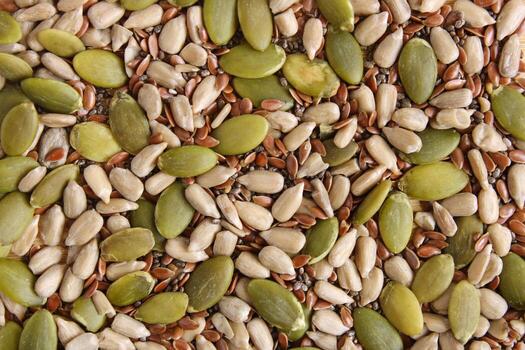
🌱 Seeds in Agriculture
🌿 Introduction
Seeds are the foundation of agriculture and the starting point of crop production. A seed contains the embryo of a future plant and acts as a carrier of genetic information, nutrition, and energy required for germination. High-quality seeds play a crucial role in increasing productivity and ensuring food security worldwide.
📘 Definition
A seed is a small embryonic plant enclosed in a protective covering called the seed coat, usually containing stored food used during germination.
🌾 Importance of Seeds in Agriculture
- Seeds determine crop yield, quality, and disease resistance.
- Good seeds ensure uniform germination and healthy plant growth.
- They are the most cost-effective input for increasing agricultural productivity.
- Improved seeds help in the adoption of modern farming techniques.
- They maintain genetic diversity and sustainability in agriculture.
🌰 Types of Seeds
Seeds can be classified based on their source, breeding method, and quality standards:
1. Breeder Seeds
These are genetically pure seeds produced by scientists or breeders. They serve as the base material for producing foundation and certified seeds.
2. Foundation Seeds
Produced from breeder seeds under strict supervision to maintain purity and quality. These are used to produce certified seeds.
3. Certified Seeds
Certified by authorized agencies for purity, germination, and quality. These are distributed to farmers for general cultivation.
4. Hybrid Seeds
Produced by crossing two genetically different plants to combine desirable traits like high yield and pest resistance. Example: Hybrid maize, rice, and vegetables.
5. GM (Genetically Modified) Seeds
Created using biotechnology to include traits like pest resistance, drought tolerance, and i